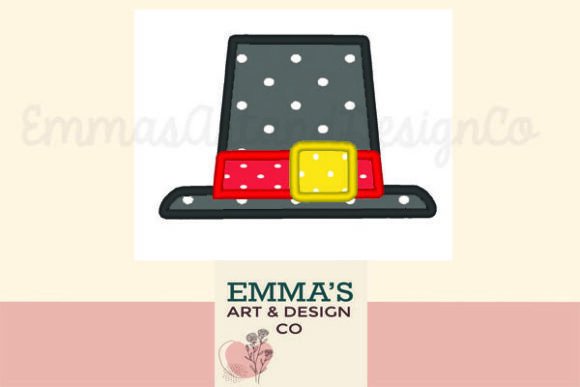
Pilgrims Bonnet Machine Embroidery Review
As an experienced embroidery designer preparing for the upcoming weekend craft fair, I am constantly evaluating new machine embroidery design assets to see which ones will translate into best-selling handmade products. Today, I am reviewing the Pilgrims Bonnet Machine Embroidery file. This Thanksgiving-themed asset promises to add festive charm to table linens, kitchen towels, napkins, aprons, or holiday décor projects. My goal is to determine if this specific embroidery file has the visual punch and production practicality needed to drive sales at a busy market booth.
First Impressions: A Classic Farmhouse Aesthetic
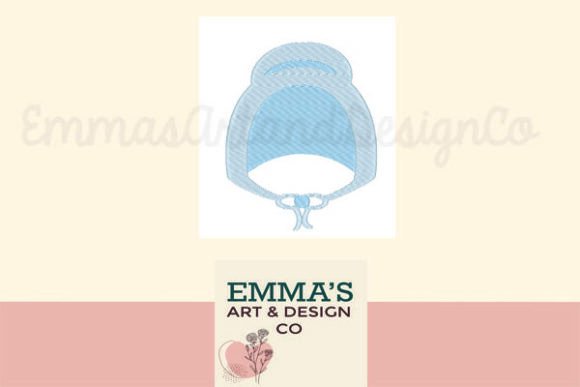
When I first loaded the preview of the Pilgrims Bonnet Machine Embroidery, the immediate vibe was distinctly rustic and traditional. It does not feel modern or minimal; instead, it leans heavily into that cozy, farmhouse style that dominates seasonal home décor trends. The silhouette suggests a soft, decorative look rather than a bold, graphic statement. For an Etsy seller or boutique maker targeting customers who love vintage-inspired aesthetics, this design hits the right emotional note. It feels like a premium addition to a curated collection of Thanksgiving items, evoking nostalgia and gratitude without being overly kitschy.
However, as a professional reviewer, I must assess whether "cute" translates to "sellable." In a crowded craft fair environment, designs need to stop the scroll—or in this case, stop the walk-by. The Pilgrims Bonnet motif is recognizable instantly. There is no confusion about the theme. This clarity is crucial for a craft fair product. Customers scanning a table of tote bags and aprons can identify the holiday connection within seconds, which increases the likelihood of engagement.
Product Application: Where Does It Shine?
To maximize the potential of the Pilgrims Bonnet Machine Embroidery, we must look at how it performs on specific substrates. Based on the description and typical use cases, here is my breakdown of the best applications for a small shop owner:
- Kitchen Towels and Napkins: This is arguably the strongest application. The tea towel embroidery trend is massive during the holidays. Placing this design in the corner of a high-quality linen or cotton towel creates an instant heirloom feel. The texture of the fabric complements the traditional nature of the bonnet.
- Apron Embroidery: An apron embroidery project featuring this design would be a standout gift item. Whether placed on the bib or the pocket, it adds a personal touch that mass-produced aprons lack. It signals a handmade quality that justifies a higher price point.
- Tote Bag Design: For the eco-conscious shopper, a canvas tote bag with this digital embroidery file serves as both a functional market bag and a holiday accessory. The flat surface of a tote allows the stitch density to breathe, ensuring the details remain crisp.
- Embroidered Patch: Creating patches from this design is a smart strategy for batch production. Patches can be sold individually or attached to denim jackets, hats, or backpacks, expanding your inventory without needing to embroider every single garment directly.
Caps and Curved Surfaces
While the description mentions holiday décor, I advise caution when applying the Pilgrims Bonnet Machine Embroidery to caps. Curved surfaces can distort intricate details. If the bonnet features fine lines or tiny textures, they may pucker or lose definition on a rounded hat brim. For a cap application, ensure the design is scaled large enough to maintain clarity, or consider using a stabilizer specifically designed for curved surfaces.
Pillow Covers and Home Décor
The design also works beautifully on pillow covers, provided the fabric is smooth. Textured fabrics like burlap or heavy waffle weave might obscure the finer stitches of the bonnet. For a polished finished product, pair this embroidery file with solid-colored cotton or linen to let the thread colors pop.
Production Practicality and Visual Appeal
From a production standpoint, the Pilgrims Bonnet Machine Embroidery appears to be versatile regarding size. It can function as a small accent on a napkin hem or a large focal point on a throw pillow. However, as with any commercial embroidery project, you must test the design before committing to a full run.
I recommend creating at least one real mockup to evaluate how the design photographs for online listings. High-quality photos are essential for digital sellers. When photographing the handmade product, ensure the lighting highlights the texture of the stitches. The contrast between the thread colors and the fabric background will dictate the visual appeal. A dark bonnet on a cream background often reads more elegantly than a light design on a dark background, where shadowing can hide details.
For batch production, consistency is key. Check the stitch density carefully. If the design is too dense, it may cause puckering on lighter fabrics like tea towels. If it is too sparse, the backing might show through, reducing the perceived value. Adjusting the hoop size and stabilizer choice is critical here. Using a cutaway stabilizer for stretchy fabrics and a tear-away for stable linens will ensure the final result looks professional.
Strategic Selling Points for Craft Fair Sellers
When setting up your booth display, group products by color palette to create a cohesive brand image. The Pilgrims Bonnet Machine Embroidery fits well with autumnal tones—rust, sage green, mustard yellow, and cream. Displaying these items together creates a "shop the look" effect that encourages multiple purchases.
This design also offers excellent brand consistency. By using the same motif across different product types (totes, towels, aprons), you build recognition. Customers who love the design on a towel may immediately spot it on a tote bag nearby, increasing their average order value. For the small shop product creator, this versatility is a significant advantage over designs that only work on one type of item.
Important Designer Notes and Pre-Production Checks
Before you begin stitching, there are several technical checks you must perform to avoid wasted time and materials:
- Test on Scrap Fabric: Always run a test stitch on the exact fabric you plan to sell. This reveals issues with tension, thread breakage, or unwanted puckering.
- Check Thread Contrast: Ensure the thread colors provide enough contrast against the fabric. Low contrast can make the design look muddy or unfinished.
- Review Spacing and Hoop Size: Confirm that the design fits comfortably within your hoop without crowding the edges. Leave adequate margin for hooping.
- Inspect Stitch Density: Look for areas where stitches overlap too much, which can lead to stiff spots in the fabric.
- Verify Licensing: As a business owner, confirm the commercial licensing terms of the digital embroidery file. Ensure you have the right to sell finished goods containing this design.
- Create Printable Mockups: Use printable mockup templates to visualize the design on various products before purchasing expensive materials.
In conclusion, the Pilgrims Bonnet Machine Embroidery is a strong contender for your holiday collection. Its traditional aesthetic appeals to the core demographic of craft fair shoppers, and its adaptability across various product types makes it a valuable asset for your inventory. By paying attention to fabric choices, stabilizer usage, and presentation, you can turn this design asset into a profitable and beautiful line of handmade goods. Remember, the difference between a good product and a great one often lies in the execution details. Test thoroughly, present proudly, and watch your booth draw in customers looking for that perfect touch of gratitude.