Autumn Tree Embroidery Design Review
As I set up my booth for the upcoming weekend craft fair, the table is already covered in swatches of linen, canvas totes, and flannel aprons. The air smells faintly of pumpkin spice and fresh thread. In this competitive handmade market, every design must earn its place on the display. Today, I am putting the Autumn Tree Embroidery Design under the microscope. This cozy fall embroidery featuring a big autumn tree with falling leaves promises to be a staple for seasonal projects, but does it translate from a digital screen to a profitable craft fair product? Let's dig into the details before I commit to a full production run.
First Impressions: Rustic Charm Meets Seasonal Warmth
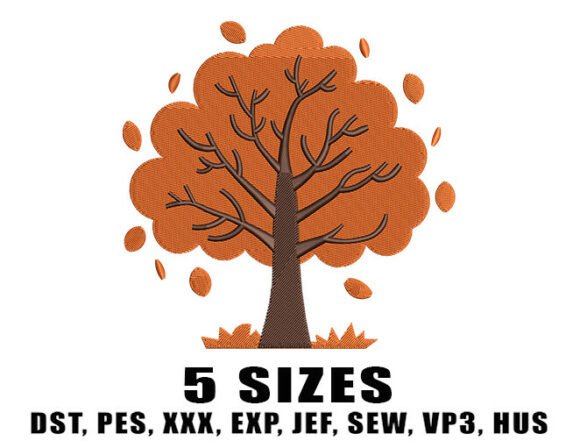
At first glance, the Autumn Tree Embroidery Design exudes a warm, rustic farmhouse aesthetic that aligns perfectly with the current trends in home decor and apparel. It feels less like a stiff graphic and more like a hand-painted illustration brought to life through thread. For an Etsy seller or boutique maker, this design hits the sweet spot between decorative and premium. It captures the essence of Thanksgiving without being overly cheesy or cluttered. The silhouette of the big tree provides a strong focal point, while the falling leaves add movement and depth, making it visually engaging even from a distance across a crowded market aisle.
This machine embroidery design is not just cute; it is strategic. In a sea of generic holiday items, a well-executed tree motif stands out as a timeless piece of handmade product art. It suggests quality and care, two things buyers are willing to pay extra for at a local fair. The mood is inviting and soft, perfect for creating that "cozy" feeling customers seek during the autumn months.
Product Versatility: Where the Design Shines
The true test of any digital embroidery file is its versatility across different mediums. With five sizes ranging from 3.8 inches to 7.8 inches, the Autumn Tree Embroidery Design offers significant flexibility for a diverse inventory.
- Tote Bags and Market Bags: Using Size 4 (6.8 Inch) or Size 5 (7.8 Inch) on a natural canvas tote bag creates a stunning statement piece. The large scale allows the falling leaves to flow naturally around the trunk, making the tote bag design look custom-made rather than stamped.
- Kitchen Linens: For tea towel embroidery, the smaller sizes (3.8 to 4.8 inches) work beautifully as a corner accent. A simple white towel with a single embroidered tree in burnt orange and mustard yellow elevates a basic item into a giftable luxury. Similarly, apron embroidery benefits from the mid-range sizes, placing the design prominently on the bib area where it catches the eye immediately.
- Patches and Caps: The design translates well into an embroidered patch. On a denim jacket or a beanie, the rounded shape of the tree fits the curvature of the fabric without distortion. However, when applying this to caps, one must be mindful of the curved surface; the falling leaves might require slight adjustment to sit flat against the dome of the hat.
- Pillow Covers and Pouches: Small fabric pouches for jewelry or makeup can utilize the smallest size as a charming detail, while pillow covers demand the largest size to ensure the stitch density holds up and the image remains clear.
Production Realities: Practicality for Batch Runs
When preparing for a weekend of sales, efficiency is key. The Autumn Tree Embroidery Design appears to be highly repeatable for batch production, provided you manage your workflow correctly. The clean lines of the tree suggest that the stitch count is likely optimized, meaning faster run times per item. This speed is crucial when you need to produce fifty units overnight.
However, visual clarity is paramount. At the smallest size of 3.8 inches, the falling leaves could risk becoming too dense or losing definition if the thread colors are too similar to the background fabric. As a professional designer, I always advise testing the smallest version on scrap fabric first. If the leaves blend together, the magic of the design is lost. Conversely, at 7.8 inches, the design should breathe, allowing the texture of the fabric to show through the open areas of the tree branches.
For online listings, this design photographs exceptionally well. The organic shapes create interesting shadows and highlights in photos, which increases click-through rates on platforms like Etsy. A printable mockup showing the design on a variety of products—from a cozy sweater to a kitchen apron—can effectively communicate the value of the finished product to potential buyers who cannot touch the item in person.
Critical Considerations: Fabric, Stabilizer, and Density
While the Autumn Tree Embroidery Design is promising, there are specific technical challenges to navigate to ensure a high-quality result.
Fabric Texture and Weight
Thick fabrics like heavy flannel or textured towels can sometimes swallow fine details. The falling leaves in this design rely on distinct outlines. If using a thick terry cloth for tea towels, you may need to increase the stitch density slightly or use a heavier weight thread to ensure the leaves pop. Always check the hoop size compatibility; a 7.8-inch design requires a large hoop, so ensure your machine and workspace can accommodate it comfortably.
Stabilizer Selection
Never skip the stabilizer. For this type of detailed nature scene, a cut-away stabilizer is often best for stretchy knits (like for caps), while a tear-away works well for woven cottons used in tote bags. Without proper support, the tension of the stitches could pucker the fabric around the base of the tree, ruining the professional look of your commercial embroidery.
Color Contrast
The beauty of this design lies in its color palette. Avoid using dark brown thread on dark brown fabric. The contrast is what makes the tree stand out. Experiment with metallic threads for the leaves or a deep green for the trunk to add a touch of elegance. Remember, the design assets are only as good as the thread choices you make.
Strategic Advice for Sellers and Makers
If you are planning to sell products featuring the Autumn Tree Embroidery Design, here is my checklist for success:
- Test Before You Sell: Always embroider a sample on the exact fabric you intend to sell. Check for puckering, thread breaks, and color accuracy.
- Verify Licensing: Ensure you have the correct commercial rights for the embroidery file. Do not sell finished goods unless your license explicitly permits it.
- Create Mockups: Invest time in creating realistic photos. Show the design on a coffee cup, a mug, or a tote bag to inspire buyers.
- Batch Smartly: Group your production by size and fabric type to minimize setup time and maximize output for your small shop product line.
- Highlight Quality: In your booth display, let customers feel the texture. Point out the lack of loose threads and the neatness of the backing to justify a higher price point.
The Autumn Tree Embroidery Design is a strong contender for your fall collection. It balances artistic appeal with practical application, offering a range of sizes that cater to various product types. By paying attention to fabric choice, stabilizer use, and color contrast, you can transform this digital file into a standout handmade product that sells itself. Whether you are a seasoned Embroidery business owner or a new Cricut and embroidery crafter looking to expand into stitching, this design has the potential to become a bestseller this season.