Bear Embroidery Design, 10 Formats Review
As a professional embroidery designer who has spent years translating digital files into tangible brand assets, I approach every new machine embroidery design with a critical eye. My goal is not just to see if a pattern looks cute, but to determine if it can withstand the rigors of commercial production. Today, I am reviewing the Bear Embroidery Design, 10 Formats, a file marketed within the Baby Animals category. While the description highlights its suitability for baby clothes and nursery decor, my focus here is strictly on how this digital embroidery file performs when repurposed for small business merchandise, branded patches, and corporate branding.
First Impressions: Professionalism Meets Playfulness
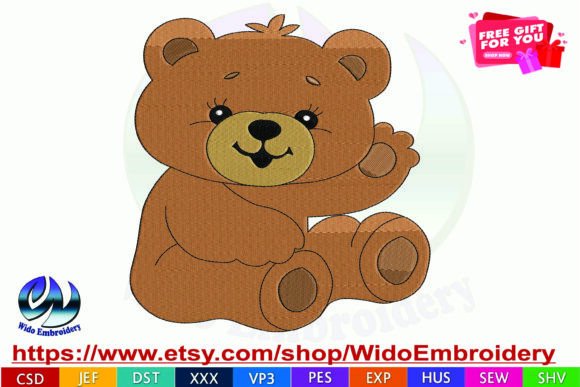
The first thing that strikes me about the Bear Embroidery Design, 10 Formats is its inherent versatility. The "adorable teddy bear" aesthetic described in the product details suggests a friendly, approachable visual personality. In the world of brand identity, this is a powerful tool. A bear motif immediately communicates warmth, safety, and care—qualities essential for businesses like bakeries, boutique nurseries, pet brands, or family-owned cafes. However, for a design to transition from a home craft project to a commercial embroidery asset, it must maintain structural integrity at various scales. The initial impression is that this design leans towards a classic, handmade presentation rather than a sleek, modern corporate logo. This makes it an excellent candidate for businesses wanting to emphasize their artisanal roots or create a soft, welcoming atmosphere for customers.
Evaluating Real-World Business Applications
When considering how to integrate the Bear Embroidery Design, 10 Formats into a small business lineup, the possibilities extend far beyond children's apparel. Let us explore specific use cases where this embroidery file could elevate your product line.
Branded Patches and Uniform Accents
One of the most effective ways to utilize this design is as an embroidered patch. For a local bakery or florist, a high-quality patch featuring the bear can be sewn onto staff aprons. This creates a cohesive look for your team while reinforcing brand identity with every interaction. Unlike printed logos, an embroidered patch adds texture and perceived value to the uniform. If you are running a creative studio or a boutique, these patches can also serve as detachable accessories for tote bags or denim jackets sold as limited-edition merch.
Apparel Decorations and Caps
Cap embroidery is another strong contender for this design. A small-scale version of the bear on the front of a structured cap offers a subtle yet recognizable brand mark. Similarly, for custom apparel like work shirts or hoodies, placing the design on the chest pocket or sleeve provides a balanced accent without overwhelming the garment. The key here is ensuring the stitch density remains consistent so the design does not pucker the fabric, which is crucial for maintaining a professional finish on high-end items.
Tote Bags and Product Packaging
In the realm of retail, the tote bag design market is saturated, making unique elements vital. Using the Bear Embroidery Design, 10 Formats as a central motif on canvas totes transforms a standard utility item into a premium brand ambassador. Furthermore, consider using this design as an accent on product packaging, such as sealing tags on gift boxes or adorning fabric wraps. This attention to detail signals to the customer that your brand values quality and craftsmanship.
Critical Considerations for Production
While the potential is high, there are specific areas where the Bear Embroidery Design, 10 Formats requires careful handling to ensure success in a business environment. As a designer, I always advise clients to test before they commit to a full run.
Scaling and Size Limitations
Not all designs scale down perfectly. When adapting this bear for a tiny cap embroidery placement or a small patch, intricate details may get lost. You must check if the design works at the intended size. If the eyes or ears become indistinguishable blobs due to high stitch density or fine outlines, the finished product will look cheap. Always review the hoop size requirements and compare the design beside other design assets you currently use to ensure visual consistency.
Fabric Texture and Stabilization
The success of any machine embroidery design depends heavily on the substrate. On textured fabrics like heavy denim or thick fleece, the bear's features might distort if the wrong stabilizer is used. For dark uniforms, the thread colors must provide sufficient contrast; a light-colored bear on a black background needs precise underlay stitching to pop. Conversely, on delicate fabrics often used for baby clothes, the weight of the thread could cause puckering. Testing on real fabric is non-negotiable.
Washability and Durability
If you are producing items that require frequent washing, such as aprons or staff shirts, the durability of the stitch work is paramount. High-density areas in the bear's fur or face might snag over time if not properly balanced. Ensure the thread colors are colorfast and that the backing is secure enough to survive industrial laundering cycles.
Impact on Brand Identity and Customer Trust
Ultimately, the decision to use the Bear Embroidery Design, 10 Formats impacts more than just the look of your products; it influences customer perception. A well-executed handmade product with high-quality embroidery conveys trust and professionalism. It tells the buyer that you invest in quality materials and skilled labor. This visual consistency across your small business merch, from caps to tote bags, strengthens brand recognition. Customers are more likely to engage with a brand that presents a polished, unified image. The tactile nature of embroidery adds a layer of sensory engagement that printed graphics simply cannot match, increasing the perceived value of your goods.
Practical Designer Notes for Implementation
To successfully launch this design into your business workflow, follow these practical steps:
- Test in Black and White First: Before committing to expensive threads, run a test in a single color to verify the outline and structure of the bear.
- Verify File Compatibility: The package includes formats like PES, XXX, ART, JEF, DST, EXP, HUS, PEC, and C. Ensure your embroidery machine supports the specific format you choose. Most commercial machines use DST or PES, but always double-check.
- Create a Printable Mockup: Use the digital embroidery file to generate a printable mockup for client approval or internal planning. This helps visualize the final result on different garments.
- Check Commercial Licensing: Before selling items made with this design, confirm the licensing terms. Ensure you have the right to use it for commercial embroidery projects and not just personal gifts.
- Inspect Spacing and Density: Review the spacing between stitches. If the design feels too dense for a specific application, you may need to adjust the settings or resize the design to prevent fabric distortion.
In conclusion, the Bear Embroidery Design, 10 Formats offers a charming and versatile option for businesses looking to add a touch of warmth and character to their brand. By carefully managing the technical aspects of apron embroidery, cap sizing, and fabric selection, you can transform this adorable Baby Animals motif into a powerful asset for your Embroidery business. Whether for a cozy café, a trendy boutique, or a growing handmade brand, this design has the potential to leave a lasting impression on your customers.