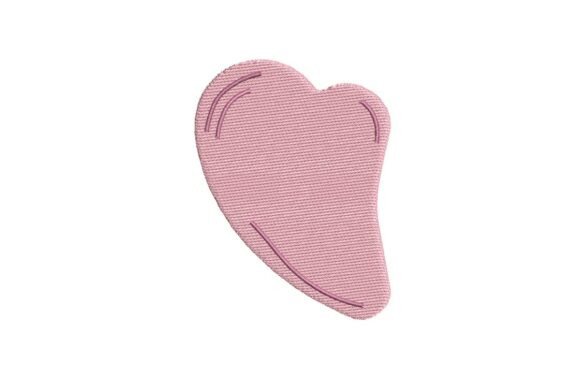
Gua Sha Embroidery Design: A Craft Fair Review
As I set up my booth for the upcoming weekend craft fair, the table is a sea of potential. There are stacks of tote bags, neatly folded aprons, and rows of tea towels waiting to be transformed into handmade products. My goal today is to evaluate a new machine embroidery design that promises to elevate my wellness collection: the Gua Sha Embroidery Design. In the competitive world of handmade markets, not every file translates to sales. Some look great on a screen but fall flat on fabric. Others are too complex for quick production. So, does this specific design hold up under the scrutiny of a professional designer preparing for a busy market day? Let's dive in.
First Impressions: Minimalist Elegance Meets Wellness
The moment I load the Gua Sha Embroidery Design onto my hoop, the aesthetic becomes clear. It is undeniably minimalist yet elegant. In a category often cluttered with loud patterns or overly cute motifs, this design stands out as a sophisticated nod to self-care rituals. It feels modern and clean, perfectly aligning with the current trend of "quiet luxury" in the Beauty sector. For an Etsy seller or a boutique maker, this visual language suggests quality without shouting for attention. The silhouette of the tool is recognizable at a glance, which is crucial for a craft fair product where customers scan tables quickly. It doesn't feel rustic or farmhouse; instead, it exudes a premium, spa-like vibe that commands a slightly higher price point.
Product Versatility: Where Does It Shine?
When considering how to apply this embroidery file, versatility is key. I tested the concept across several items intended for my display. On a sturdy canvas tote bag design, the Gua Sha shape serves as a bold focal point. It transforms a simple carry-all into a statement piece for yoga instructors or skincare enthusiasts. However, the true magic happens on softer goods. Imagine this design stitched onto a high-quality linen tea towel embroidery project. The contrast between the delicate thread and the textured fabric creates a tactile experience that draws customers in. They can touch the stitching, feeling the craftsmanship, which significantly boosts the perceived value of the finished product.
I also considered its application on apron embroidery. Placing the design near the chest pocket of a kitchen apron offers a subtle reminder to take care of oneself while cooking. It’s a clever narrative hook that resonates with the target demographic. For smaller applications, such as an embroidered patch or a small fabric pouch, the design remains effective provided the scale is managed correctly. Even on a cap, the curved surface presents a challenge, but the simplicity of the shape means it should drape well without distorting the image. This adaptability makes it a strong contender for a small shop product line where variety is essential.
Selling Power and Visual Appeal
In the context of a physical booth, visibility is everything. The Gua Sha Embroidery Design performs exceptionally well here because of its clean lines. Unlike intricate floral patterns that get lost from three feet away, this geometric shape pops against neutral backgrounds. When displayed on a rack of white or cream-colored items, it acts as a visual anchor, guiding the eye down the table. For online listings, this clarity translates to better printable mockup results. Customers browsing your digital storefront need to instantly understand what they are buying. A crisp, recognizable design reduces hesitation and increases conversion rates.
Furthermore, the theme of wellness taps into a passionate buyer base. People who buy Gua Sha tools are invested in their self-care routines. By offering a matching embroidered item, you are selling more than just fabric; you are selling an identity. This emotional connection drives buyer engagement and encourages repeat purchases. Whether it's a gift for a friend or a treat for themselves, the product feels personal and thoughtful. This consistency in branding—offering cohesive design assets that speak to a specific lifestyle—strengthens your reputation as a curated source for high-quality handmade goods.
Practical Production Considerations
While the aesthetic appeal is high, a professional must always consider the mechanics of commercial embroidery. Before committing to batch production, I recommend a rigorous testing phase. First, test the design on scrap fabric that matches your final material. Fabric texture plays a massive role in how the stitches lay down. Thick towels or textured linens might require different tension settings compared to smooth cotton.
Pay close attention to stitch density. If the file has areas that are too dense, the fabric may pucker, ruining the sleek look of the design. Conversely, if the density is too low, the backing might show through, making the product look cheap. Check the thread colors carefully; a soft pastel might disappear on a light background, so ensure there is sufficient contrast. Always confirm the hoop size requirements before purchasing materials. If the design requires a large hoop, it limits the types of items you can embroider, such as small caps or narrow straps.
Another critical step is using the right stabilizer. For items like market bags or thick aprons, a cut-away stabilizer might be necessary to prevent distortion over time. For delicate pillow covers, a tear-away might suffice. Never skip this step, as poor stabilization leads to frustration and wasted materials. Additionally, inspect the design for tiny details or small lettering if any text accompanies the image. At smaller sizes, these elements can become illegible blobs. If the design includes fine lines, ensure your machine needle is sharp and appropriate for the fabric weight.
Final Designer Notes for Success
- Create Real Mockups: Do not rely solely on digital previews. Stitch out at least one sample to see how the threads catch the light in person.
- Compare Fabric Colors: Test the design on dark and light fabrics to determine which combinations offer the best visual impact for your brand.
- Verify Licensing: Before selling any digital embroidery file or finished goods, confirm the commercial licensing terms. Ensure you have the right to sell multiple items made from this pattern.
- Check Spacing: Leave adequate space around the design on your products to allow for proper hooping and to maintain a balanced look.
The Gua Sha Embroidery Design is a winner for those looking to expand their wellness-themed inventory. It bridges the gap between functional art and practical merchandise. With careful attention to production details and strategic placement on your table, this design can become a staple in your collection. It speaks to the modern crafter who values both beauty and mindfulness. As you prepare your next market run, remember that the difference between a good sale and a great one often lies in the quality of the execution. Make sure your machine embroidery design choices reflect the premium standard your customers expect.