Green Floral Embroidery Design Review
As a seasoned embroidery designer who has spent countless weekends setting up booths at local craft fairs and managing a bustling handmade shop, I know that the difference between a product that gathers dust and one that flies off the table often comes down to the design choice. Today, I am putting the Green Floral Embroidery Design under the microscope. This is not just a technical review of an embroidery file; this is a real-world assessment of how this specific Single Flowers motif translates into sellable inventory for the busy maker.
First Impressions: Elegance Meets Market Appeal
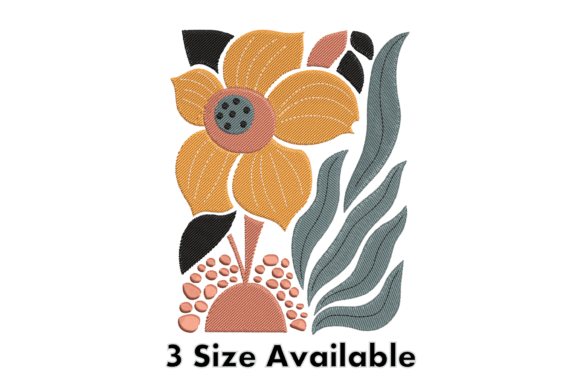
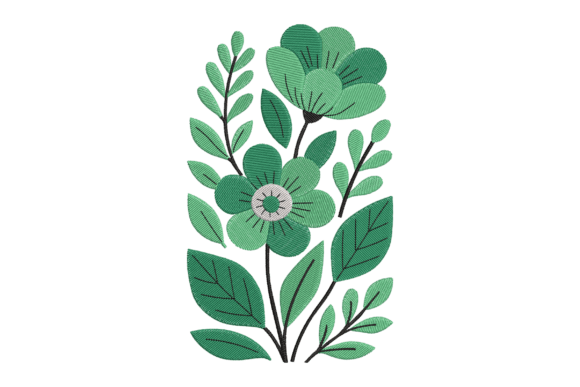
When I first opened the digital preview of the Green Floral Embroidery Design, my immediate reaction was one of refined potential. The description promises to "add a touch of elegance," and in the context of the current handmade market, that word carries significant weight. We are seeing a shift away from overly cartoonish or cluttered motifs toward designs that feel curated and premium. This floral piece fits squarely into that trend. It feels soft yet structured, avoiding the chaotic look of some dense botanicals while offering more visual interest than a simple monogram.
For the Etsy seller or boutique owner, this design strikes a balance between rustic charm and modern sophistication. It does not scream "farmhouse" in a cliché way, nor does it feel sterilely corporate. Instead, it suggests a thoughtful, high-quality handmade product. When placed on a neutral background, the green tones pop with a natural vibrancy that draws the eye immediately. In a crowded booth filled with bright colors and loud patterns, this design offers a moment of calm that can actually stop a customer in their tracks.
Product Performance: Where Does It Shine?
The true test of any machine embroidery design is how it behaves across different substrates. Based on the nature of the Green Floral Embroidery Design, I have identified several key products where this motif will excel as a craft fair product.
- Tote Bags: A canvas tote bag is the perfect canvas for this design. The texture of the fabric complements the organic feel of the flower. Whether you place it as a large focal point near the bottom or as a smaller accent near the handle, the tote bag design becomes instantly recognizable as a stylish accessory rather than a generic grocery carrier.
- Kitchen Textiles: Tea towel embroidery and apron embroidery are perennial sellers. This floral motif brings a fresh, garden-fresh vibe to the kitchen. On a white or cream linen tea towel, the green thread creates a stunning contrast that photographs beautifully for online listings. Similarly, on a denim or cotton apron, it adds a personal, artisanal touch that elevates the perceived value of the item.
- Accessories and Patches: If you are producing embroidered patch items or small fabric pouches, this design scales well. It works as a standalone statement on a cap or as part of a collection on a set of coasters. The simplicity of the Single Flowers category ensures it doesn't get lost when reduced in size, provided you manage your stitch density correctly.
- Pillow Covers and Home Decor: For larger home decor items, this design can be repeated or mirrored to create a cohesive pattern. However, even as a single element on a throw pillow cover, it acts as a sophisticated focal point that appeals to customers looking to refresh their living space without a full renovation.
Practical Production Considerations
While the aesthetic appeal is high, the practicalities of production cannot be ignored. As someone who has learned the hard way about production bottlenecks, I advise fellow makers to pay close attention to the following details before committing to a batch run of the Green Floral Embroidery Design.
Stitch Density and Fabric Texture
Floral designs often rely on varying shades of thread to create depth. You must check the stitch density carefully. If the design is too dense, it can cause puckering on lighter fabrics like linen or thin cotton, ruining the drape of a tea towel or the smoothness of a tote bag. Conversely, if it is too sparse, the backing may show through, making the finished product look cheap. Always run a test on scrap fabric that matches your final material's thickness.
Thread Colors and Contrast
The success of this design hinges on your color choices. While the title specifies "Green," the magic happens in the variations. Using multiple shades of sage, olive, and forest green can create a lush, three-dimensional effect. However, ensure there is enough contrast between the flower and the background fabric. On dark fabrics, you may need a white underlay or a light-colored outline to prevent the design from disappearing. Remember, what looks vibrant on a screen might appear muddy in person if the thread colors are not carefully selected.
Hoop Size and Placement
Before you start stitching hundreds of units, confirm the hoop size required. If the design requires a large hoop, it limits the types of products you can make, such as caps or small pouches, which often require smaller hoops. Plan your layout meticulously. Centering the design on a tote bag is standard, but consider off-center placements for a more modern, editorial look that stands out in a booth display.
Visual Appeal and Sales Strategy
In the competitive world of commercial embroidery, visual appeal drives sales. The Green Floral Embroidery Design enhances the perceived quality of your brand. Customers associate well-executed floral embroidery with care, patience, and skill. This perception allows you to price your items higher than mass-produced alternatives.
When photographing these items for your Etsy shop or social media, the design's elegance shines through. Use natural lighting to highlight the texture of the stitches. Create a printable mockup that shows the design in a lifestyle setting—perhaps a tote bag hanging on a doorknob or a tea towel draped over a wooden chair. These visuals tell a story and help the buyer imagine the product in their own life.
Furthermore, consistency is key. If you decide to use this design as a signature element, it helps build brand recognition. Customers who love the look of your Small shop product line will return for more, knowing they can expect that same level of detail and style. It transforms a simple digital embroidery file into a cornerstone of your business identity.
Designer's Checklist for Success
Before you finalize your order or start your machine, run through this quick checklist to ensure your Green Floral Embroidery Design project is a success:
- Test Stitch: Always embroider a sample on the exact fabric you plan to use. Check for puckering, registration issues, or loose threads.
- Stabilizer Selection: Choose the right stabilizer. Heavyweight towels need cutaway stabilizers, while delicate linens may require water-soluble options to maintain drape.
- Licensing Check: Verify your license terms. Ensure you have the right to sell finished goods containing this design. Some design assets have restrictions on the number of items you can sell or whether you can resell the digital file itself.
- Mockup Creation: Create at least one physical mockup to evaluate how the design looks in 3D space, especially on curved surfaces like caps.
- Color Matching: Compare your thread colors against the fabric under different lighting conditions to ensure the "elegance" promised in the description is achieved.
The Green Floral Embroidery Design is a versatile asset that, when executed with care, can significantly boost your craft fair sales and online presence. It bridges the gap between traditional craftsmanship and modern taste, offering a timeless appeal that resonates with today's discerning buyers. By paying attention to the details of production and presentation, you can turn this beautiful Embroidery file into a profitable staple for your handmade business.