Beer Embroidery: A Designer's Business Review
As a professional embroidery designer who has spent years refining machine embroidery design for commercial clients, I approach every new digital file with a critical eye. My focus is not just on how a design looks in a preview window, but how it translates into a tangible asset for small business merch, branded patches, and custom apparel. Today, I am reviewing the Beer Embroidery design. While categorized under Wine in some libraries, its primary visual language speaks directly to the craft beverage market, making it a versatile tool for brewery-themed items, bar décor, and gifts for beer lovers.
First Impressions: Visual Personality and Brand Fit
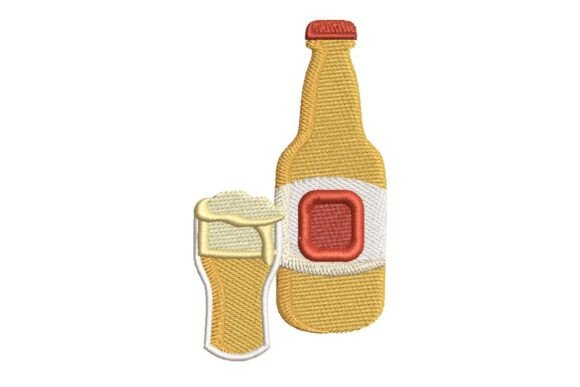
The first thing that strikes me about Beer Embroidery is its inherent playfulness. The description promises a "fun beer bottle and glass" motif, which immediately signals a friendly, rustic, or casual brand identity. For a boutique bakery, a local florist, or a creative studio looking to add a touch of humor to their staff uniforms, this design offers an instant connection. It does not scream corporate elegance; instead, it whispers community, relaxation, and celebration.
However, when evaluating this as a serious asset for brand identity, we must consider where it fits. If your brand is a high-end sommelier shop focusing on fine Wine, this design might feel too informal. But for a taproom, a craft brewery, or a handmade gift shop specializing in party projects, the aesthetic is spot-on. It feels accessible and warm, perfect for creating a sense of belonging among customers. The challenge lies in ensuring the execution matches the intended vibe. A sloppy stitch job can turn a fun design into a cheap-looking afterthought, while a precise run elevates it to a premium product feature.
Performance in Real-World Business Applications
When moving from the screen to the production floor, Beer Embroidery shines in specific applications. Let's break down where this embroidery file delivers the most value for small business owners and merch creators.
- Embroidered Patches: This is arguably the strongest use case. The distinct shapes of a bottle and glass work beautifully as standalone patches. You can sew these onto denim jackets, canvas tote bags, or even backpacks for event giveaways. The bold outlines typical of such designs ensure they remain recognizable even at smaller scales.
- Staff Uniforms and Aprons: For a café or bar, apron embroidery featuring this motif adds character without being overwhelming. Placing a small version on the chest pocket or a larger one on the back of a chef's coat creates a cohesive look for the team. It humanizes the staff and makes the environment feel more inviting.
- Cap Embroidery: Baseball caps are a staple of small business merch. The circular nature of a cap front requires careful placement, but the iconic shape of a beer bottle usually adapts well. Just ensure the height is sufficient to capture the details of the glass and liquid levels.
- Tote Bag Design: As eco-friendly packaging becomes the norm, a sturdy canvas tote bag serves as a walking billboard. Beer Embroidery adds texture and durability compared to screen printing, signaling quality to the buyer.
Beyond apparel, consider using this design as a label accent on product packaging. A small embroidered tag on a jar of homemade BBQ sauce or a bag of coffee beans can elevate the perceived value of the finished product. It transforms a commodity into a curated, handmade item that commands a higher price point.
Critical Considerations for Production
While the concept is strong, every digital embroidery file comes with technical challenges. Before you commit to a bulk order of custom apparel, you must evaluate the limitations of Beer Embroidery.
Stitch Density and Fabric Texture
Fun designs often rely on detailed shading or intricate bubbles to represent the beer foam. High stitch density can cause puckering on lightweight fabrics like thin cotton shirts or linen aprons. If the file is dense, you will need to use a heavier weight stabilizer to support the threads. On textured fabrics like fleece or heavy denim, the detail might get lost. Always test on the actual fabric you intend to sell before producing hundreds of units.
Size Constraints and Cap Fronts
One common pitfall is shrinking a complex design too much. If you attempt to fit the full bottle and glass motif onto a tiny patch or a curved cap front, the details may blur. The glass might lose its transparency effect, and the bottle could become an unrecognizable blob. For cap embroidery, consider simplifying the design or opting for a larger hat size to accommodate the necessary hoop size.
Thread Color Contrast
The success of this design heavily relies on thread colors. Gold, amber, and white are essential for the beer and foam, but these must contrast sharply against the background fabric. On dark uniforms, light gold thread works wonders, but on a yellow shirt, the design will vanish. Always create a printable mockup with the exact thread palette you plan to use to verify visibility.
Strategic Implementation for Brand Growth
Using commercial embroidery assets like Beer Embroidery is about more than just decoration; it is about building customer trust and recognition. When a customer sees a consistent, high-quality design across your aprons, totes, and patches, it reinforces your brand's professionalism. It tells them you care about the details.
For Etsy sellers and handmade brands, this design can be a key differentiator. In a sea of printed goods, an embroidered logo stands out. It suggests durability and craftsmanship. However, consistency is key. Ensure that the design assets you use align with your overall visual strategy. If your brand is minimalist, a busy, cartoonish beer design might clash. If your brand is bohemian and fun, it fits perfectly.
Designer's Checklist Before Production
To ensure your investment in Beer Embroidery pays off, follow this practical checklist derived from years of experience in the field:
- Test in Black and White: Run a sample without color to check the flow of the stitches and the balance of the design.
- Verify Hoop Size: Confirm that the design fits within your machine's maximum hoop dimensions without requiring awkward re-hooping.
- Inspect Spacing: Ensure there is enough space between the bottle and the glass so the needle doesn't jump over gaps that could cause thread breaks.
- Check Licensing: The description mentions the design comes with terms, but always confirm commercial licensing before selling products. Do not assume personal use rights extend to merchandise.
- Create a Mockup: Use software to visualize the design on your specific products. Show this to your client or stakeholders for approval before stitching.
- Compare Assets: Place Beer Embroidery next to other logos you use. Does it scale well? Does it look cohesive?
- Wash Test: After stitching a sample, wash it according to your garment care instructions. Check for fading, fraying, or loosening threads.
In conclusion, Beer Embroidery is a potent tool for businesses targeting the craft beverage enthusiast or the casual celebrant. It brings life to staff uniforms, adds value to tote bag designs, and creates memorable gifts for beer lovers. By respecting the technical requirements of machine embroidery design and strategically applying it to your small business merch, you can turn a simple graphic into a cornerstone of your brand's visual identity. Whether you are a large decorator or a solo crafter, the key is to test, refine, and execute with precision.