Ballet Dancer Embroidery Design Review
As I set up my table for the upcoming weekend craft fair, the air is already thick with the scent of fresh fabric and the hum of anticipation. My booth needs to tell a story immediately. In the sea of handmade products, one machine embroidery design stands out on my production list: the Ballet Dancer Embroidery Design. This isn't just another file in my library; it is a potential bestseller if executed correctly. The description promises a "Serene Leap Pose," suggesting elegance and grace. For a craft fair product, these are powerful emotional triggers. Parents looking for recital gifts, dance teachers seeking classroom rewards, or enthusiasts wanting a touch of sophistication will be drawn to this aesthetic. But does it translate from a digital screen to a tangible finished product? Let's break down how this design performs in the real world.
First Impressions: Elegance Meets Market Appeal
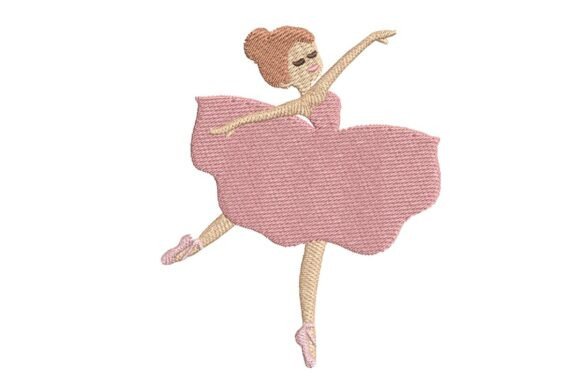
When I first opened the embroidery file, the silhouette of the dancer in mid-leap caught my eye. It feels less like a cartoon and more like a decorative art piece. The mood is undeniably elegant and soft, avoiding the clutter often found in busy designs. For a handmade product line, this minimalism is a strength. It allows the texture of the thread to do the talking without overwhelming the customer. Unlike loud, colorful graphics that might date quickly, this Ballet Dancer Embroidery Design has a timeless quality. It fits perfectly into a boutique maker's collection that leans towards premium, thoughtful gifting rather than mass-market trinkets.
The "Serene Leap" concept suggests movement frozen in time. In person, this creates a focal point that draws the eye. When customers walk past my booth, they don't just see a bag or a towel; they see a moment of artistry. This visual hook is crucial for Etsy sellers and physical market vendors alike. It elevates the perceived value of the item instantly.
Product Placement: Where Does It Shine?
Not every design works on every surface. After reviewing the stitch path and the pose, I have identified the ideal applications for this digital embroidery file.
- Tote Bag Design: This is the star application. A large, clean tote bag in natural cotton or linen provides the perfect canvas. The dancer can be placed centrally or off-center near the handle attachment. The vertical nature of the leap complements the shape of the bag beautifully.
- Apron Embroidery: For the kitchen enthusiast who loves dance, an apron offers a practical yet stylish home for this motif. Placing it on the bib area ensures high visibility when worn.
- Tea Towel Embroidery: Textured towels add depth to the threads. However, the looped pile requires careful consideration of stitch density to prevent sinking. If done right, the contrast between the smooth thread and rough fabric is stunning.
- Embroidered Patch: Creating a series of patches is a low-risk way to test the waters. These can be sold individually or attached to denim jackets and backpacks, appealing to a younger demographic.
- Pillow Covers and Fabric Pouches: Soft goods benefit from the gentle curves of the dancer. A small pouch for ballet slippers or hair accessories becomes an instant gift set.
I would avoid placing this design on curved cap surfaces unless the hoop size is very small. The intricate lines of the leap might distort on the rounded brim, losing the "serene" quality that makes the design special.
Production Realities and Practical Notes
As a professional designer preparing for batch production, I know that what looks good on a monitor can sometimes struggle under the needle. Here is my practical assessment of the Ballet Dancer Embroidery Design for manufacturing.
Stitch Density and Detail
The description mentions a "leap pose," which implies long, sweeping lines and potentially delicate limbs. I must check the stitch density carefully. If the legs or arms are too thin, they may require fewer stitches than the machine's minimum capability, leading to gaps. Conversely, if the tutu or dress area is too dense, it could pucker the fabric. I will run a test on scrap fabric first to ensure the satin stitches lie flat and the fill areas aren't too heavy.
Fabric Texture and Stabilizer Choice
For items like tea towel embroidery or textured tote bags, the choice of stabilizer is non-negotiable. A cut-away stabilizer might be necessary for heavier fabrics to support the weight of the thread, while a tear-away might suffice for smooth quilting cotton. Without the right backing, the delicate details of the dancer could get lost in the weave of the material. I also need to consider thread colors; using a slightly contrasting shade against dark fabric will ensure the design pops, whereas white-on-white might look too subtle for a quick glance at a busy market.
Scalability and Hoop Size
Before committing to a full run, I need to confirm the hoop size required. If the design demands a 6x10 hoop, it limits the types of products I can make without moving the hoop multiple times, which risks alignment errors. For a weekend booth, efficiency is key. If the design fits comfortably in a standard 5x7 hoop, I can produce small shop product variations much faster. I will also create at least one real mockup to see how the scale translates. Sometimes a design looks huge on screen but tiny in reality, making it unsuitable as a focal point on a large tote.
Visual Appeal and Customer Engagement
The success of a commercial embroidery business relies on how well the design engages the buyer. The Ballet Dancer Embroidery Design excels here because it tells a story. When displayed on a mannequin or hung neatly on a rack, the elegance of the pose communicates quality. It signals to the customer that this is a handmade product crafted with care, not a rushed print.
For online sales, particularly on Etsy, photography is everything. This design photographs exceptionally well due to its clear silhouette. A simple printable mockup showing the dancer on a crisp white pillow or a rustic linen bag can drive significant traffic. The design assets are versatile enough to be styled in a modern, minimalist setting or a cozy, farmhouse vibe, broadening the potential audience.
Furthermore, consistency is vital for brand building. Using this specific motif across different product categories—bags, wearables, and home decor—creates a cohesive look for my booth. Customers recognize the style and associate it with my brand's commitment to artistic Dance themes. This repetition builds trust and encourages repeat purchases.
Final Designer Checklist Before Production
Before I start stitching hundreds of units, I am running through my final checklist to ensure the Ballet Dancer Embroidery Design meets all standards:
- Test Stitch: Run the design on the exact fabric intended for sale to check for puckering or skipped stitches.
- Contrast Check: Verify that the chosen thread colors provide enough contrast against the selected fabric textures.
- Spacing Review: Ensure there is adequate space around the design so it doesn't feel cramped on smaller items like caps or pouches.
- Licensing Confirmation: Double-check the commercial licensing terms. As a seller, I must ensure I am allowed to sell finished products made from this digital embroidery file without additional fees.
- Mockup Creation: Produce at least three different colorway samples to offer variety at the craft fair.
In conclusion, the Ballet Dancer Embroidery Design is a strong contender for any Embroidery portfolio focused on grace and elegance. With careful attention to fabric choice, stabilizer use, and proper scaling, it has the potential to become a signature item for my booth. It bridges the gap between functional utility and artistic expression, exactly what today's discerning craft buyers are looking for. Whether you are a seasoned Etsy seller or just starting your journey in commercial embroidery, this design offers a beautiful opportunity to connect with dance lovers and create memorable, high-quality goods.